
Key takeaways
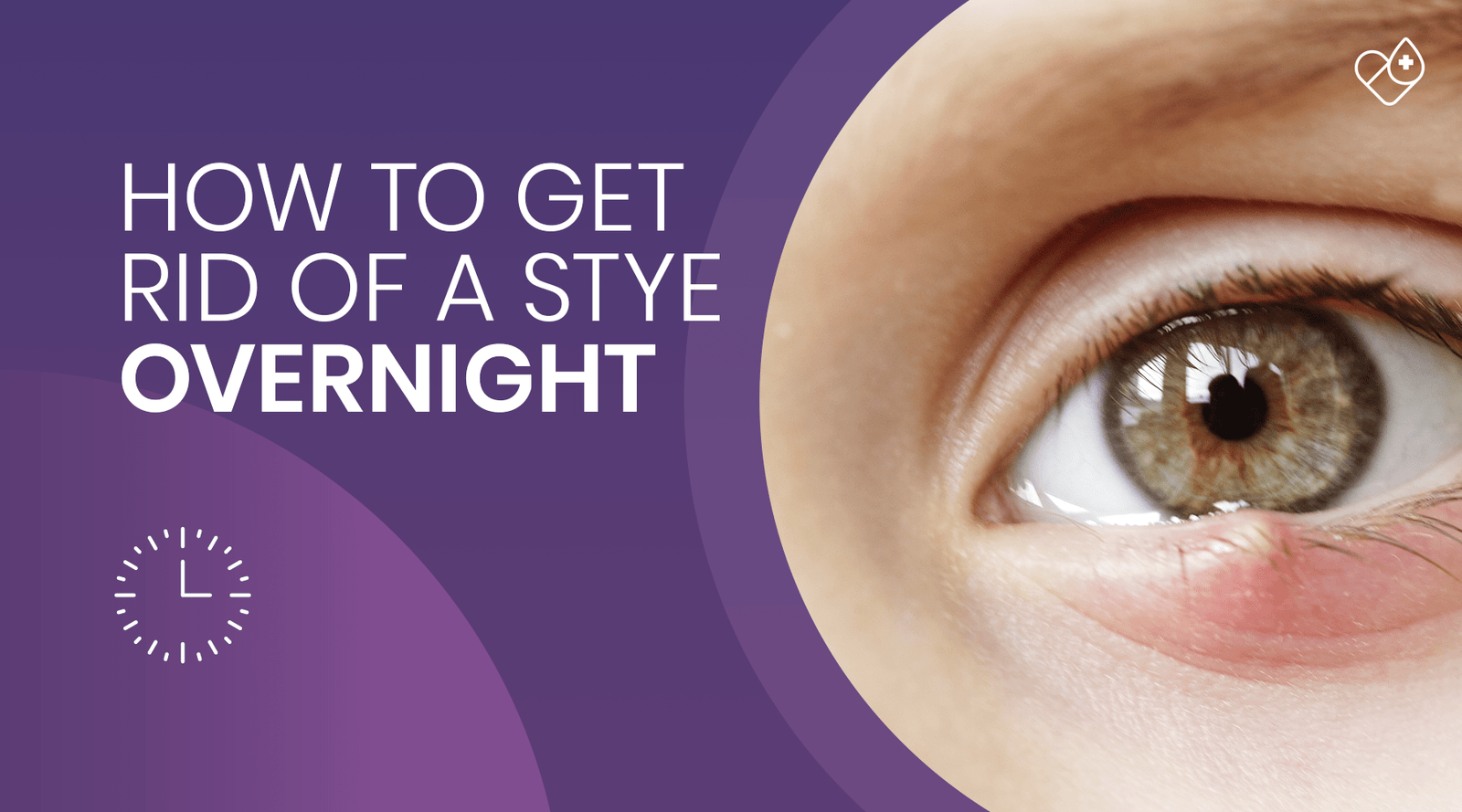
- A stye is a painful, red bump on the eyelid that develops when a hair follicle or oil gland becomes infected.
- Warm compresses are one of the most effective ways to soften a stye and reduce pain and inflammation: hold a warm, damp washcloth against the eyelid for 10 to 15 minutes, several times a day.
- Tea bags, aloe vera gel and vitamin E oil are other natural remedies described in this article.
- Avoid rubbing or scratching the stye. It can aggravate the infection and slow down healing.
- If the stye does not improve, or you develop fever or vision changes, seek medical attention.
Quick answer
Can you get rid of a stye overnight?
While styes can be treated with antibiotics, there are also several natural remedies that can be used to get rid of a stye overnight. The most effective is a warm compress: soak a clean washcloth in warm water, wring out the excess, and hold it against the eyelid for 10 to 15 minutes, repeating several times a day. This can help to soften the stye and reduce pain and inflammation.
If the stye does not improve, or you develop additional symptoms such as fever or vision changes, seek medical attention.
New to Dry Eye Rescue?
Get 20% Off Your First Order
Try one of our recommended products and save 20% today.
STYE20
First order only. One use per customer. Applies to one-time purchases and cannot be combined with other discount codes.
Recommended stye care products
The most popular in-stock choice in each category, updated automatically from what customers order most.

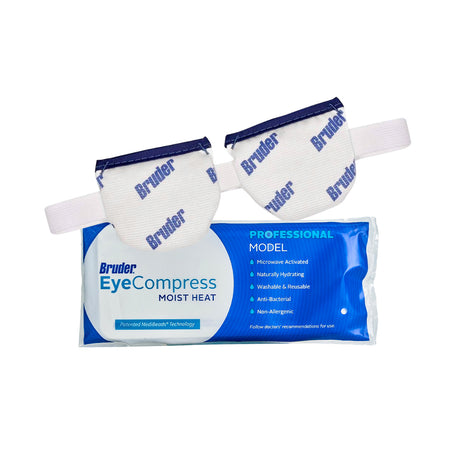
Bruder
Bruder Moist Heat Eye Compress, Microwave Activated, Reusable


Optase
Optase Tea Tree Oil Eyelid Wipes - Preservative Free wipes Box of 30
A stye is a common eye condition that can cause pain and swelling on the eyelid. It develops when a hair follicle or oil gland on the eyelid becomes infected.
The infection causes redness and a painful bump, which can be unsightly and uncomfortable. While styes can be treated with antibiotics, there are also several natural remedies that can be used to get rid of a stye overnight.
-
Warm compresses: One of the most effective ways to treat a stye is to apply a warm compress to the affected area. This can help to soften the stye and reduce pain and inflammation. To make a warm compress, soak a clean washcloth in warm water and wring out the excess. Hold the compress against the eyelid for 10-15 minutes, repeating several times a day.
-
Tea bags: Tea bags contain tannins, which have anti-inflammatory and antibiotic properties. To use this remedy, steep a tea bag in hot water for several minutes, then remove and let it cool. Once it is cool enough to handle, place the tea bag on the affected eyelid for 10-15 minutes. Repeat the process several times a day.
-
Aloe vera: Aloe vera has been used for centuries to treat various skin conditions, including styes. The gel from the aloe vera plant has anti-inflammatory and antimicrobial properties that can help to reduce pain and swelling. To use this remedy, apply a small amount of aloe vera gel to the stye and massage gently for a few minutes. Leave the gel on for 10-15 minutes, then rinse with warm water. Repeat the process several times a day.
-
Vitamin E oil: Vitamin E oil is known for its healing properties and is often used to treat various skin conditions. It can help to reduce pain and inflammation, as well as speed up the healing process. To use this remedy, apply a small amount of vitamin E oil to the stye and massage gently for a few minutes. Leave the oil on for 10-15 minutes, then rinse with warm water. Repeat the process several times a day.
-
Avoid rubbing or scratching the stye: It is important to avoid rubbing or scratching the stye, as this can further aggravate the infection and slow down the healing process. Instead, be gentle with the affected area and avoid touching it with your fingers.
While styes can be treated with antibiotics, there are also several natural remedies that can be used to get rid of a stye overnight. These include warm compresses, tea bags, aloe vera, vitamin E oil, and avoiding rubbing or scratching the stye. It is important to keep in mind that if the stye doesn't improve or if you develop additional symptoms such as fever or vision changes, seek medical attention.
When should you see an eye doctor about a stye?
If the stye does not improve, or you develop additional symptoms such as fever or vision changes, seek medical attention. An eye care professional can confirm what is causing the bump and recommend the right care.

Keep reading
Related guides from the Dry Eye Rescue learning center.

Best Heat Masks for Dry Eye and MGD
How warm compress therapy works and which masks customers choose most.
Read the guide
Shop MGD Relief: Products for Clogged Oil Glands
Heat, lid hygiene and drops for the eyelid oil glands.
See the products
Dry Eye Symptoms
Red, gritty, watery or tired eyes: find the guide that matches what you feel.
Browse symptomsEducational information only. This article does not replace medical advice from your eye care professional or healthcare provider. If a stye does not improve, or you develop fever or vision changes, seek medical attention. These statements have not been evaluated by the Food and Drug Administration.
